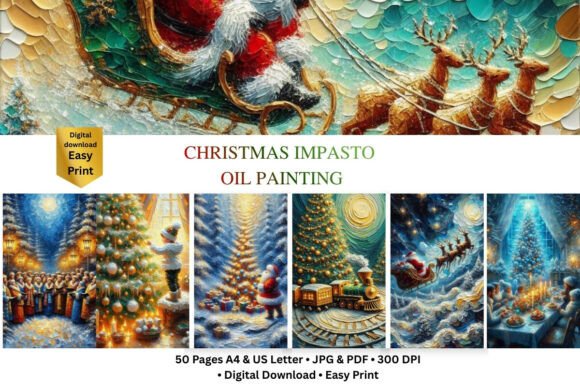
Christmas Impasto Oil Painting Embroidery Review
As a designer who spends half my life staring at stitch charts and the other half worrying about thread tension, I don’t just look at an embroidery file; I visualize the finished product on the hoop. When I first pulled up Christmas Impasto Oil Painting – 50 Page, my immediate thought wasn’t about the technical specs, but about the texture. The term "impasto" usually refers to thickly applied paint that creates a three-dimensional surface. In the world of digital illustrations and embroidery design, capturing that heavy, tactile feel is a challenge. This design attempts to bridge the gap between fine art aesthetics and machine-readable geometry, and for those of us in the handmade space, understanding how well it translates is crucial.
I recently put this design through its paces, not just by running a test stitch-out, but by mentally mapping it onto various commercial and personal projects. If you are an Etsy seller, a boutique owner, or a crafter looking to add a premium touch to your holiday inventory, here is my practical evaluation of how Christmas Impasto Oil Painting – 50 Page performs in real-world application.
The First Impression: Mood and Visual Weight
The visual personality of this design is warm, nostalgic, and distinctly textured. Unlike flat vector graphics that can sometimes feel sterile when stitched, the impasto style suggests depth and movement. It evokes the feeling of a cozy winter evening, which makes it incredibly versatile for seasonal merchandise. The layout feels balanced, avoiding the cluttered look that often plagues busy holiday designs. For a small business owner, this means your final product will look professional rather than chaotic. The "50 Page" aspect suggests this might be part of a larger collection or a comprehensive digital asset pack, offering variety if you are planning a full holiday line.
From a branding perspective, this design fits seamlessly into the "handmade luxury" niche. It doesn’t scream for attention with neon colors; instead, it invites the customer to lean in and appreciate the detail. This subtlety builds trust. Buyers are increasingly drawn to items that feel curated and artistic rather than mass-produced. By using a design with this level of visual sophistication, you signal to your customers that you care about quality.
Real-World Application: Where This Design Shines
In my experience, certain embroidery projects benefit more from complex textures than others. Here is where Christmas Impasto Oil Painting – 50 Page truly excels:
- Custom Apparel and Sweatshirts: The weight of the design pairs beautifully with heavier fabrics. On a crewneck sweatshirt or a thick cotton t-shirt, the impasto effect mimics the fabric’s own texture, creating a harmonious blend. It works particularly well as a centered chest logo or a large back print for a statement piece.
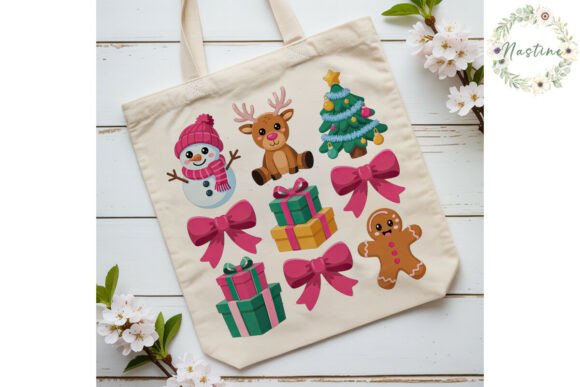
- Tote Bag Designs: Canvas totes are a staple for craft fairs and online shops. This design holds up well on durable materials. The detailed stitching adds value, making a simple tote bag feel like a special gift item. It’s perfect for personalized gifts where the recipient appreciates artistic flair.
- Baby Embroidery and Nursery Decor: Soft blankets and nursery wall hangings benefit from the gentle, painterly aesthetic. The design isn’t overly aggressive or cartoonish, making it suitable for gender-neutral baby showers or modern nursery themes. It elevates a basic onesie or blanket into a keepsake item.
- Holiday Embroidery and Kitchen Towels: Tea towels and kitchen linens are high-volume sellers during the holidays. This design brings a touch of elegance to functional items. Imagine a set of embroidered kitchen towels featuring this motif—it transforms everyday cooking into a festive ritual.
- Embroidered Patches and Caps: For hat makers, the structured nature of the design allows for clean edges when converted to a patch. It maintains its integrity even when stitched onto curved surfaces like baseball caps, provided the stabilizer is chosen correctly.
Critical Considerations: Where to Exercise Caution
No design is universally perfect, and being honest about limitations is part of responsible design review. There are specific scenarios where Christmas Impasto Oil Painting – 50 Page might struggle:
- Small Hoop Sizes: If you attempt to digitize or use this design in a very small hoop (under 4x4 inches), you risk losing the nuanced details that give it its character. Tiny lettering or intricate corners may merge together, resulting in a muddy appearance. Always check the minimum recommended hoop size before committing to small accessories like socks or tiny patches.
- Textured and Stretchy Fabrics: While the design looks great on smooth cotton or canvas, applying it to highly textured fabrics like chunky knits or stretchy spandex blends can distort the stitch path. The fabric’s natural movement can cause the embroidery to pucker or shift. Use a strong cut-away stabilizer to mitigate this, but test first.
- Dense Stitch Areas: Impasto styles often rely on dense fill stitches to create depth. If your machine struggles with high stitch density, you might encounter needle breakage or thread jams. Ensure your machine is calibrated and use appropriate thread weights. Also, consider the comfort factor; a heavily stitched area on a garment worn against the skin might feel scratchy.
- Dark Fabric Contrast: Pay close attention to thread color contrast. On dark backgrounds, lighter threads used in the impasto highlights might get lost if the stitch coverage isn’t sufficient. A light underlay or specific thread choices are essential to maintain visibility.
Practical Designer Notes for Success
To get the most out of this embroidery file, I recommend following these steps before production:
- Test on Scrap Fabric: Never run a new design directly onto your final product. Use scrap pieces of the actual fabric you plan to sell. This helps you gauge how the fabric texture interacts with the stitch density.
- Check Thread Color Contrast: Lay out your thread spools next to the design preview. Does the contrast pop? Would black thread work better than navy? Adjusting thread colors can dramatically change the outcome.
- Review Stitch Density: Look at the digital preview. Are there areas where stitches overlap excessively? Reducing density slightly can improve drape and reduce bulk without sacrificing visual impact.
- Use Proper Stabilizer: For custom apparel and tote bags, a tear-away or cut-away stabilizer is non-negotiable. It prevents distortion and ensures the design sits flat.
- Inspect Small Details: Zoom in on the digital file. Are the fine lines clear? If they appear too thin, consider simplifying them in your digitizing software or choosing a version of the design with bolder lines.
- Confirm Licensing: Before listing any commercial embroidery products on Etsy or your own shop, verify the license terms. Some digital embroidery files allow unlimited commercial use, while others restrict the number of units sold. Protect your business by reading the fine print.
Final Verdict
Christmas Impasto Oil Painting – 50 Page is a sophisticated addition to any designer’s library. It offers a unique aesthetic that stands out in a crowded market of generic holiday motifs. Its strength lies in its ability to convey warmth and artistry, making it ideal for personalized gifts, boutique branding, and high-end handmade products. However, success depends on proper execution. By respecting the design’s need for adequate space, stable fabric, and correct stitching parameters, you can create finished products that delight customers and reflect your professional standards. Whether you are creating a single custom apron or a batch of Etsy seller listings, this design provides a solid foundation for beautiful, marketable embroidery projects.